
Accurate Quotes for Hybrid Event Production: Your Guide to Hybrid Event Cost Estimation

When planning a hybrid event, one of the biggest challenges is getting an accurate quote. Hybrid events combine in-person and virtual elements, which means the costs can vary widely depending on the technology, venue, and production needs. I’ve seen many event planners struggle with this, so I want to share practical tips and insights to help you understand hybrid event cost estimation and get precise quotes that fit your budget.
Understanding Hybrid Event Cost Estimation
Estimating the cost of a hybrid event is not as straightforward as a traditional event. You need to consider both the physical and digital components. Here’s what typically affects your budget:
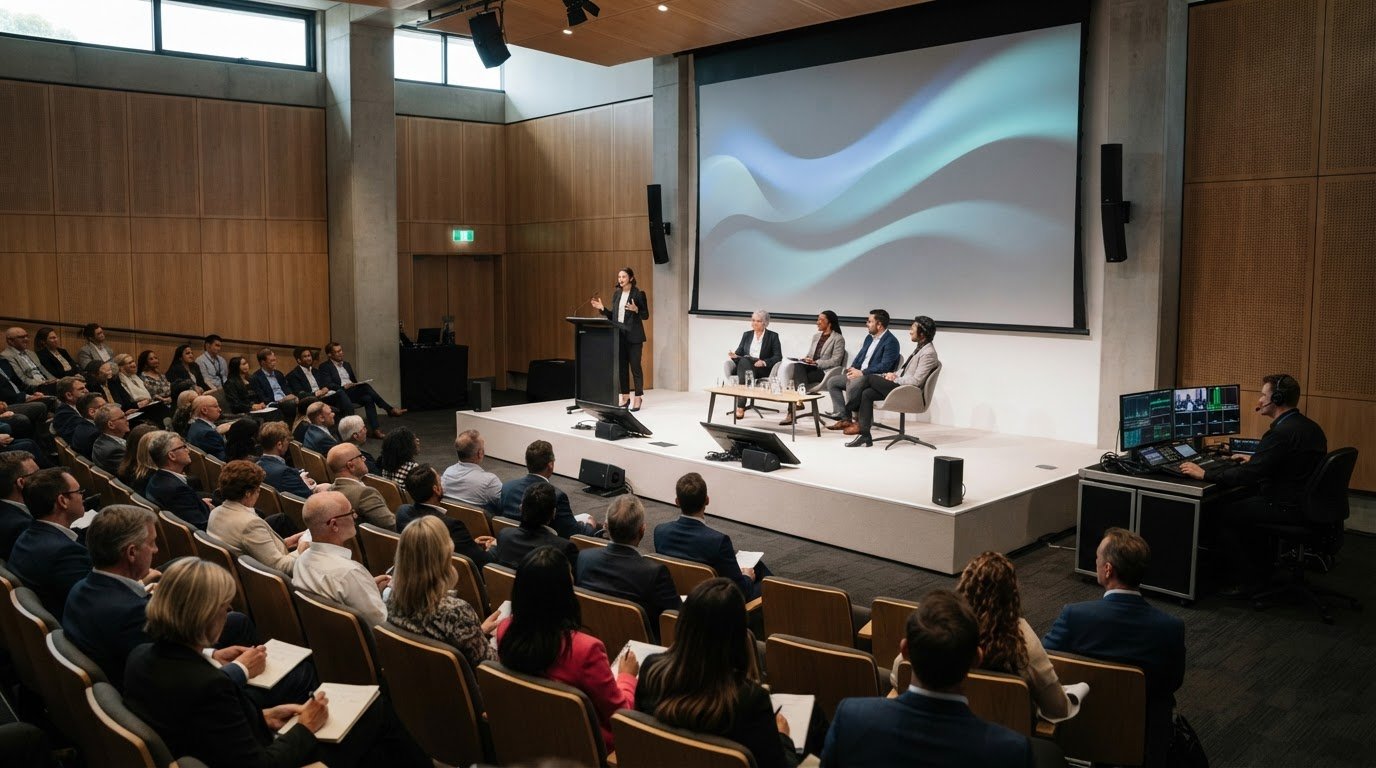
Venue and on-site production: This includes space rental, staging, lighting, sound, and crew.
Virtual platform and streaming: Costs for the online platform, bandwidth, and technical support.
AV equipment: Cameras, microphones, mixers, and screens for both live and virtual audiences.
Content creation: Video production, graphics, and interactive elements.
Staffing: Technicians, moderators, and event managers.
Miscellaneous: Shipping, insurance, and contingency funds.
Each of these elements can vary greatly depending on the scale and complexity of your event. For example, a small corporate meeting with a simple live stream will cost much less than a large conference with multiple stages and interactive virtual booths.
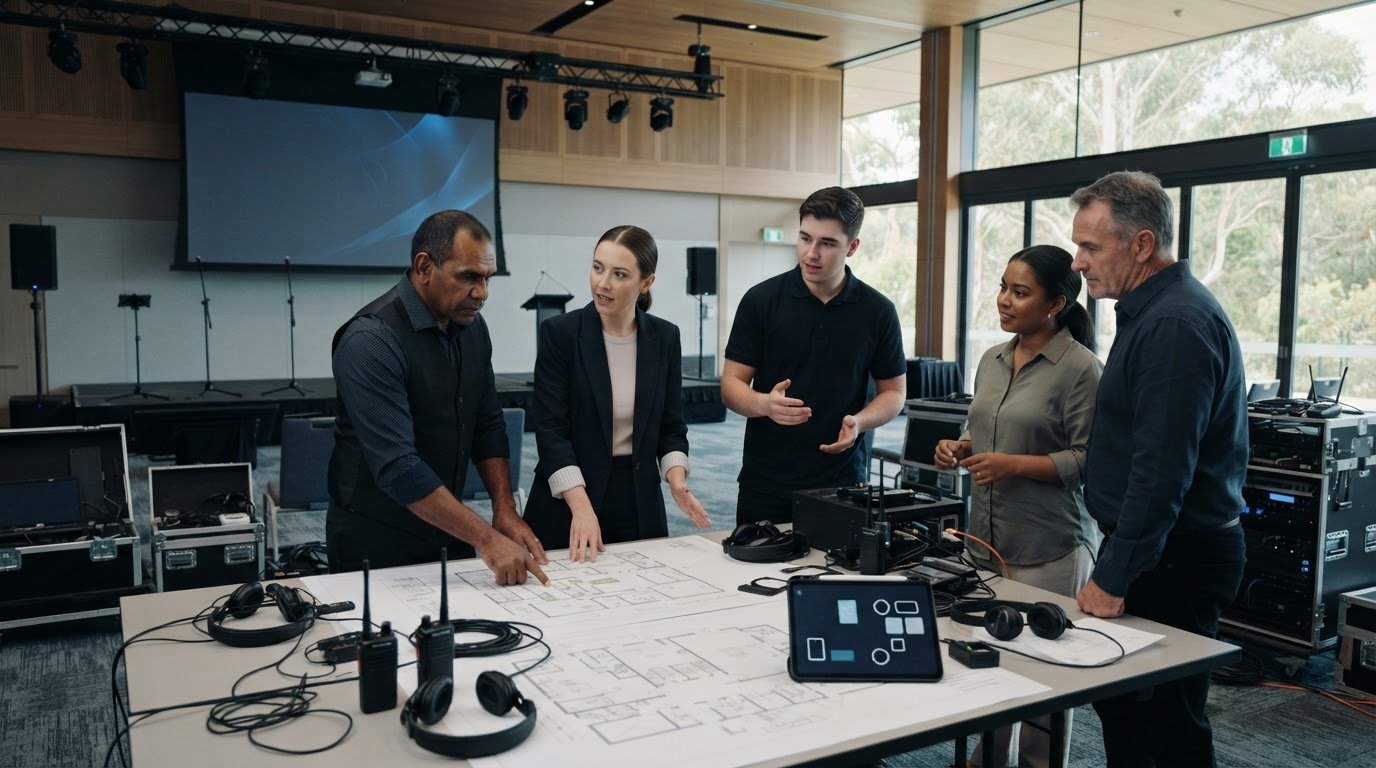
To get a reliable hybrid event cost estimation, start by defining your event goals and audience size. Then, list all the technical and creative requirements. This clarity helps vendors provide accurate quotes without hidden fees.

Key Factors That Influence Hybrid Event Pricing
Several factors directly impact the final price of your hybrid event. Knowing these will help you negotiate better and avoid surprises.
1. Event Duration and Timing
Longer events require more equipment rental time and staff hours. Also, events outside regular business hours or on weekends may incur higher rates.
2. Number of Locations
If your hybrid event involves multiple physical locations, costs increase due to additional equipment, crew, and coordination efforts.
3. Quality of Streaming and Production
High-definition video, multiple camera angles, and professional lighting add to the cost but significantly improve the audience experience.
4. Interactivity Features
Polls, Q&A sessions, breakout rooms, and virtual networking require advanced software and moderators, which can raise expenses.
5. Customisation and Branding
Tailored graphics, branded virtual environments, and unique stage designs add value but also increase production costs.
6. Technical Support and Backup Plans
Reliable tech support and contingency plans are essential for smooth execution but come at a price.
By understanding these factors, you can prioritize what matters most for your event and allocate your budget accordingly.
What are the benefits of hybrid events?
Hybrid events offer a unique blend of in-person engagement and virtual reach. Here are some key benefits that make them worth the investment:
Wider audience reach: You can connect with attendees worldwide without travel restrictions.
Flexibility: Participants choose how they want to attend, increasing overall satisfaction.
Cost efficiency: Save on travel and accommodation while still delivering a high-impact event.
Data and analytics: Virtual platforms provide detailed insights into attendee behaviour.
Sustainability: Reduced travel lowers your event’s carbon footprint.
Enhanced engagement: Combining live and digital elements creates dynamic experiences.
These advantages often justify the additional costs involved in hybrid event production. When you plan carefully, the return on investment can be significant.

How to Get an Accurate Hybrid Event Production Quote
Getting a precise quote requires clear communication and detailed planning. Here’s how I recommend approaching it:
1. Prepare a Detailed Brief
Include your event objectives, audience size, format, duration, and technical needs. The more specific you are, the better the quote.
2. Ask for Itemised Quotes
Request a breakdown of costs for each service and equipment. This transparency helps you understand where your money goes.
3. Compare Multiple Vendors
Don’t settle for the first quote. Compare several providers to find the best value and service quality.
4. Clarify What’s Included
Check if the quote covers setup, rehearsals, technical support, and post-event services. Hidden fees can blow your budget.
5. Discuss Contingency Plans
Ensure the vendor has backup equipment and staff to handle unexpected issues.
6. Negotiate Based on Priorities
If budget is tight, focus on must-have features and see where you can cut costs without compromising quality.
For example, you might opt for fewer camera angles or simpler virtual interactivity to save money. Or you could choose a smaller venue with better AV infrastructure to reduce setup time.
If you want to explore professional options, you can request a hybrid event production quote tailored to your specific needs.
Tips for Managing Hybrid Event Budgets Effectively
Budget management is crucial for a successful hybrid event. Here are some practical tips:
Set a realistic budget early: Avoid last-minute surprises by planning finances upfront.
Prioritise spending: Allocate more funds to elements that impact attendee experience the most.
Use technology wisely: Leverage cost-effective streaming platforms and AV solutions.
Plan for contingencies: Set aside 10-15% of your budget for unexpected expenses.
Track expenses closely: Use spreadsheets or software to monitor spending in real time.
Communicate with your team: Keep everyone informed about budget limits and changes.
By staying organised and proactive, you can deliver a high-quality hybrid event without overspending.
Moving Forward with Confidence
Hybrid events are the future of live experiences. They offer unmatched flexibility and reach, but they also require careful planning and budgeting. By understanding hybrid event cost estimation and knowing how to get an accurate quote, you’re well on your way to creating memorable events that impress both in-person and virtual audiences.
Remember, the key is clear communication, detailed planning, and choosing the right partners who understand your vision. With these strategies, you can confidently navigate the complexities of hybrid event production and deliver outstanding results every time.
Ready to take the next step? Reach out for a tailored hybrid event production quote and start turning your event ideas into reality.
Comments